
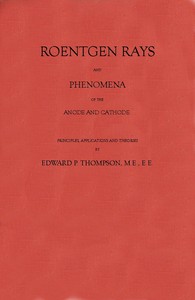
Roentgen Rays and Phenomena of the Anode and Cathode. by Edward P. Thompson
Let's set the scene: it's 1896. Wilhelm Röntgen has just stunned the world with his announcement of X-rays. Within months, Edward P. Thompson publishes this book. It's not a novel, but the story it tells is incredible. It's the raw, immediate account of scientists and enthusiasts trying to grasp something utterly strange.
The Story
The 'plot' follows the frantic early investigation into cathode rays and the new X-rays they produced. Thompson documents how researchers built their own crude tubes, powered by bulky induction coils, and aimed them at everything—their own hands, metal objects, books. He details the confusion: What are these rays? How do they travel? Why do they affect photographic plates? The narrative is a chain of experiments, failures, and sudden, breathtaking successes, like seeing the skeleton of a fish or the bones in a living hand for the first time. It's the story of humanity's first, clumsy steps into a completely new realm of physics.
Why You Should Read It
You should read this to feel the wonder. Textbooks give you the polished facts. This book gives you the gasps and the goosebumps. Thompson's excitement is contagious. He writes about the eerie glow of the tubes in dark rooms and the shock of the first images with a sense of awe that's been lost in our modern, jaded world. It’s a powerful reminder that our most foundational technologies started as mysteries that seemed almost supernatural. You get to witness the birth of an idea that would revolutionize medicine and science, told with the urgency of someone living through it.
Final Verdict
This is a niche read, but a profoundly rewarding one. It's perfect for history buffs who love primary sources, for science fans curious about the messy human side of discovery, or for anyone who just loves a good 'how did they figure that out?' story. It's not an easy beach read, but for the right reader, it's more thrilling than any fiction. Be prepared for outdated terms and concepts—that's part of the charm. You're not reading a lesson; you're reading a moment of genuine shock and awe.
Melissa Rodriguez
1 year agoThe layout is very easy on the eyes.





John Brown
10 months agoGood quality content.